
What Is Indian Sacred Art? Its Origins And Purpose
Indian Sacred Art- Understanding Its Origins And Purpose
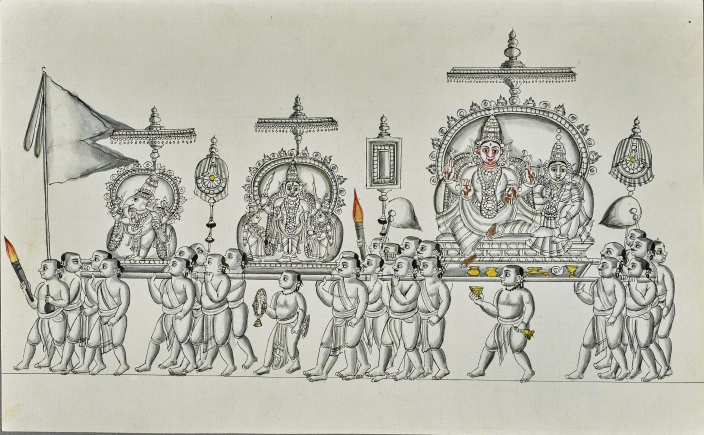
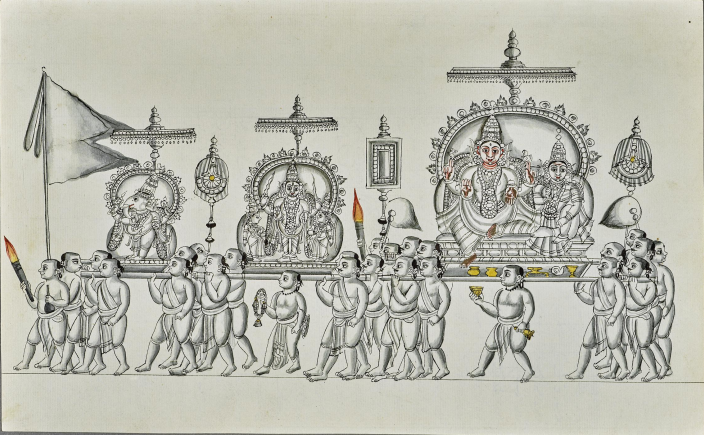
Indian sacred art is not primarily concerned with aesthetics. It exists to serve ritual, devotion, and continuity, functioning as a bridge between philosophical ideas and lived practice.
Across centuries, sacred imagery in India developed within temples, manuscripts, and domestic shrines. These works were created not for exhibition, but for presence — to anchor daily worship and communal memory.
Origins In Ritual Practice
Sacred art evolved alongside religious practice. Sculptures were consecrated, paintings were worshipped, and images became integral to ceremony and meditation. Their form was governed by established iconographic systems rather than individual expression.
Iconography As Meaning
Every gesture, posture, and attribute carries layered meaning. Sacred art communicates theology visually, making complex philosophical concepts accessible through form.
Cultural Continuity
While materials and styles changed across regions and periods, intent remained consistent. Sacred art preserved memory, belief, and identity across generations.
Why It Matters Today
As many sacred works now exist within archives and museums, understanding their original purpose allows for more responsible engagement — whether through study, reproduction, or devotional placement.
Address
Coimbatore, Tamil Nadu
Contact - Whatsapp
+91-9944074490