
Our Purpose
Aagama Archives was established with a clear purpose: to preserve, present, and make accessible sacred visual traditions through responsible archival reproduction.
Sacred artworks carry historical memory, devotional meaning, and cultural continuity. Many such works today exist primarily within museums and institutional collections, distant from the spaces in which they once functioned as objects of daily reverence.
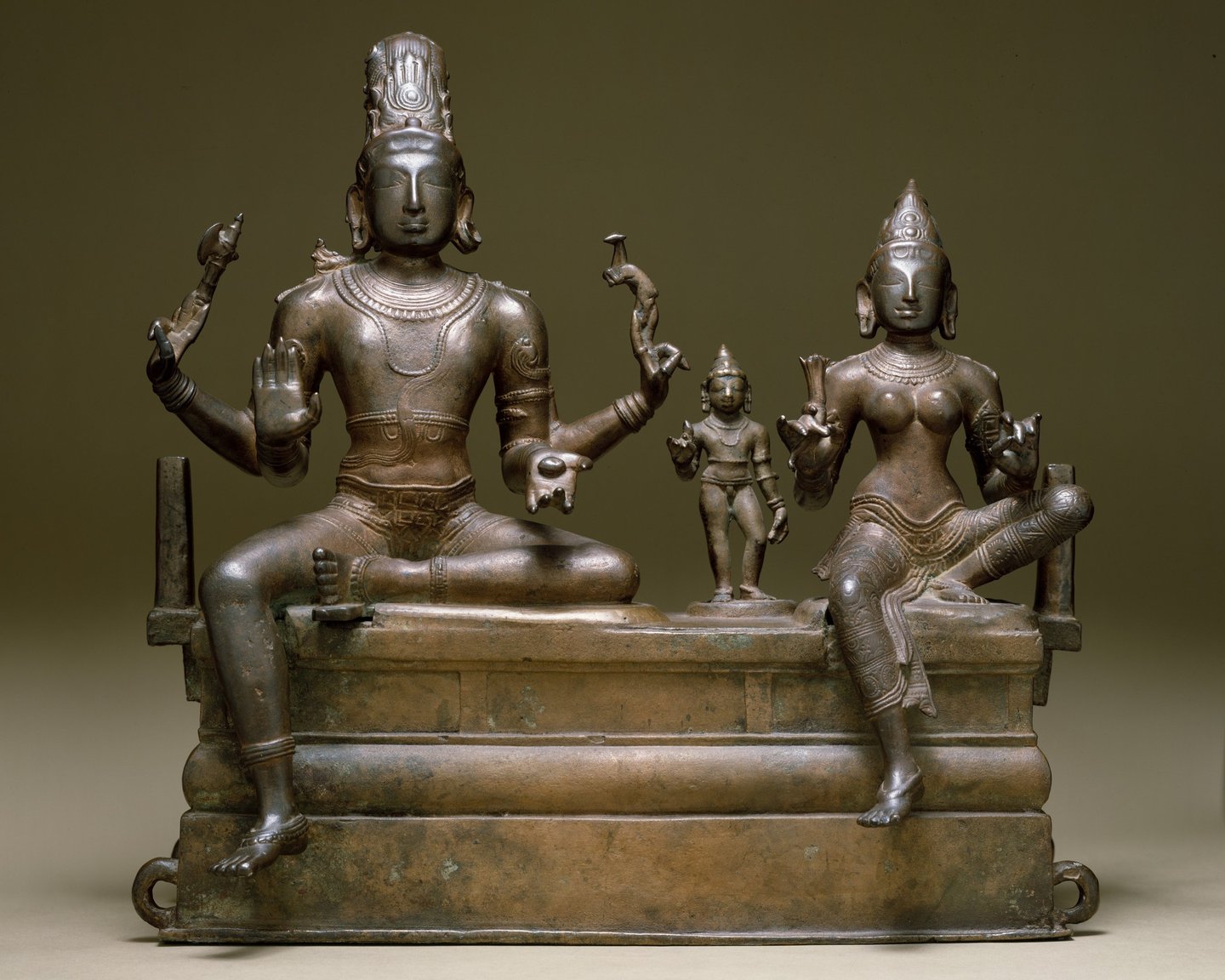
Preservation Through Access
Our purpose is not to replicate ownership of the past, but to enable respectful access to it.
By reproducing artworks from verified archival sources, we aim to:
Reduce dependence on undocumented reproductions
Encourage awareness of original works and their provenance
Support the continued relevance of sacred imagery in contemporary devotional spaces
Access, when done responsibly, becomes a form of preservation.
Respect For Source And Context
Every artwork presented by Aagama Archives is approached as a historical and devotional record.
We do not:
Alter iconography or visual intent
Introduce modern reinterpretations
Present speculative reconstructions
Our role is to present, not reinterpret.
Bridging Archive And Home
Sacred art historically belonged to lived spaces — temples, manuscripts, homes, and ritual contexts.
Our purpose is to gently bridge:
Institutional archives and everyday devotion
Historical continuity and contemporary presence
Visual heritage and personal practice
Each print is intended to exist quietly within devotional homes, not as décor, but as presence.
Our Position
We see ourselves as custodians of access to the Sacred Indian Art that was once very much prevalent to the one who created it, not creators of content.
Our responsibility lies in:
Source integrity
Visual fidelity
Transparent documentation
Every work offered reflects this responsibility.
A Living Archive
Aagama Archives is not a static collection.
As archives are digitised and scholarship evolves, our archive grows carefully and deliberately, guided by verification, respect, and clarity.
Sacred art endures not only through preservation, but through continued, respectful presence.
Address
Coimbatore, Tamil Nadu
Contact - Whatsapp
+91-9944074490